

Overview
Competitive swimming has evolved from its ancient origins to a modern sport with advanced techniques and technology. Key milestones include the establishment of formal competitions, the introduction of swimming caps and goggles that enhance performance, and the rise of professional athletes like Michael Phelps. As the sport continues to grow, inclusivity and innovations in training and gear promise an exciting future for competitive swimming.
Frequently Asked Questions
1. What is the history of competitive swimming?
2. What swimming styles are recognized in competitive swimming?
3. How have technological advancements impacted competitive swimming?
4. What role do swim goggles and caps play in competitive swimming?
5. What benefits does competitive swimming offer for health and fitness?
Competitive swimming has a rich history that has evolved significantly over the centuries. From its humble beginnings in ancient civilizations to the high-tech, competitive arena we see today, the sport has transformed in numerous ways. In this article, we will explore the fascinating journey of competitive swimming, the innovations that have emerged, and the importance of accessories like best swim goggles for indoor pools and swimming caps in enhancing performance.
Ancient Origins of Swimming
The practice of swimming dates back thousands of years. Evidence of swimming can be found in ancient art, with murals from ancient Egypt and Crete depicting swimmers. These early forms of swimming were not competitive, as swimming was primarily a means of survival, recreation, and military training. The Greeks and Romans further developed the sport and organized swimming competitions as part of their athletic festivals, including the ancient Olympic Games.
The Path to Competitive Swimming
As civilizations advanced, so did athletics. The Romans built aqueducts and public baths, fostering an environment where swimming began to flourish as a sport. However, it wasn’t until the 19th century that competitive swimming as we know it began to take shape. In 1837, the first organized swimming race took place in London, marking the beginning of formal competition.
The Birth of Modern Swimming Organizations
The late 19th century saw the establishment of various swimming organizations that helped formalize the rules and regulations of competitive swimming. In 1844, Native American swimmers introduced the "Front Crawl" style at a competition in London, revolutionizing techniques and ultimately changing the way the sport was approached. The International Swimming Federation (FINA) was established in 1908, bringing together various nations under a unified competitive swimming umbrella. This move paved the way for the first swimming events in the Olympics in 1908 in London, marking a new era in the sport.
Technological Advances in Competitive Swimming
As competitive swimming gained popularity, so did the technology that supported it. The introduction of various swimming styles led to the development of specific training regimes and methodologies. Swimmers began to embrace the use of innovative gear, which has continually evolved. Swimwear, for example, saw dramatic enhancements. The introduction of polyurethane suit technology in the early 2000s allowed swimmers to become faster and more streamlined during races. Innovations like these underscore how technology can elevate athletic performance substantially.
Swimming Styles Through the Ages
Competitive swimming has always allowed swimmers to perform in diverse styles, each with its unique techniques and challenges. The four primary strokes known today—freestyle, backstroke, breaststroke, and butterfly—have become staples in competitive swimming. Each stroke has evolved over the years, with athletes continually finding ways to refine their techniques for better performance.
Freestyle: The Most Popular Stroke
Freestyle swimming is characterized by its high-speed movement and efficiency. Initially, swimmers used the side stroke or even dog paddle, but the adoption of the front crawl was a game-changer. The front crawl technique allows for longer strokes and improved speed, making it the preferred method in most competitions today.
Backstroke: The Only Stroke Swum on the Back
Backstroke has a unique appeal as it allows swimmers to navigate the water while facing upwards. This stroke requires a delicate balance of rhythm and body control, as athletes must synchronize their movements to maintain stability in the water.
Breaststroke: The Slowest Yet Most Powerful
Breaststroke is characterized by its unique arm movements and frog kick. While it is often viewed as one of the slower strokes, its technique requires significant power and control. The rise and fall of the swimmer’s body in the water create a unique flow that sets it apart from faster strokes.
Butterfly: The Challenge of Coordination
Butterfly is undoubtedly the most physically demanding stroke in competitive swimming, requiring sharp coordination and strength. Swimmers must master timing with both their arm movements and dolphin kicks to maintain speed and glide through the water effectively.
Significant Milestones in Competitive Swimming
The history of competitive swimming is filled with milestones that refresh every few decades. One of the most pivotal moments occurred in 1976, when the introduction of swimming caps gained popularity among professional athletes, leading to improved streamlining in the water. These caps have become an essential accessory for competitive swimmers.
The Role of Swimming Caps
Swimming caps are crucial for reducing drag in the water. They keep hair out of the swimmer's face and help maintain body temperature, thereby improving performance during competitions. Furthermore, high-quality swimming caps can be a part of a swimmer’s identity, with teams often adopting unique designs to represent their spirit.
The Rise of Professional Swimmers
With advancements in training, technique, and technology, professional swimmers have gained recognition on a global scale. The likes of Michael Phelps, Katie Ledecky, and Ryan Lochte have not only broken records but have also inspired millions around the world. Their achievements highlight the importance of hard work, dedication, and the continuous evolution of the sport.
Training Methods and Preparation
Current training programs for competitive swimmers emphasize physical conditioning, technique refinement, and mental toughness. Utilizing scientific research, coaches now emphasize varied drills to fine-tune specific strokes and create personalized training plans. Additionally, understanding the importance of rest and recovery has become crucial, ensuring athletes maintain peak performance.
The Impact of Competitive Swimming on Health and Fitness
Competitive swimming has proven to be one of the most holistic forms of exercise, promoting cardiovascular health, muscle strength, and endurance. It encompasses low-impact training, making it accessible for individuals of all ages. Understanding the significance of proper gear is essential for effective training, particularly when it comes to selecting the best swim goggles for indoor pools and reliable swimming caps, as they protect the eyes and keep hair out of the swimmer’s way.
Swimming as a Lifestyle
Beyond competition, swimming is a lifestyle for many. Whether it's for fitness, relaxation, or social connectivity, engaging in swimming offers a myriad of benefits. Pools and recreational swim programs have expanded in popularity, enabling a greater number of individuals to experience the joys and benefits of swimming.
Looking Forward: The Future of Competitive Swimming
As we look to the future, the evolution of competitive swimming will continue. Innovations in training equipment, technology, and swimwear will likely redefine the parameters of what is possible in the sport. It can be expected that new records will be set, inspired by tomorrow’s athletes who are continually pushing the boundaries of swimming excellence.
Community and Diversity
A key aspect of the future of competitive swimming lies in its growing community. Initiatives around inclusivity are promoting a diverse representation of athletes and making the sport accessible to everyone, regardless of background. The joy of swimming transcends boundaries and will likely inspire an ever-evolving global community.
Make a Splash Today!
Competitive swimming has a rich history filled with innovation and achievement. The importance of gear such as best swim goggles for indoor pools and swimming caps is undeniable as they enhance performance for competitive swimmers. As we continue to witness the evolution of this incredible sport, it becomes clear that the future holds exciting promise. So get involved, embrace the water, and make a splash in your own swimming journey!
Linked Product

DX Wide View Swim Goggles + SHOCK Protective Case
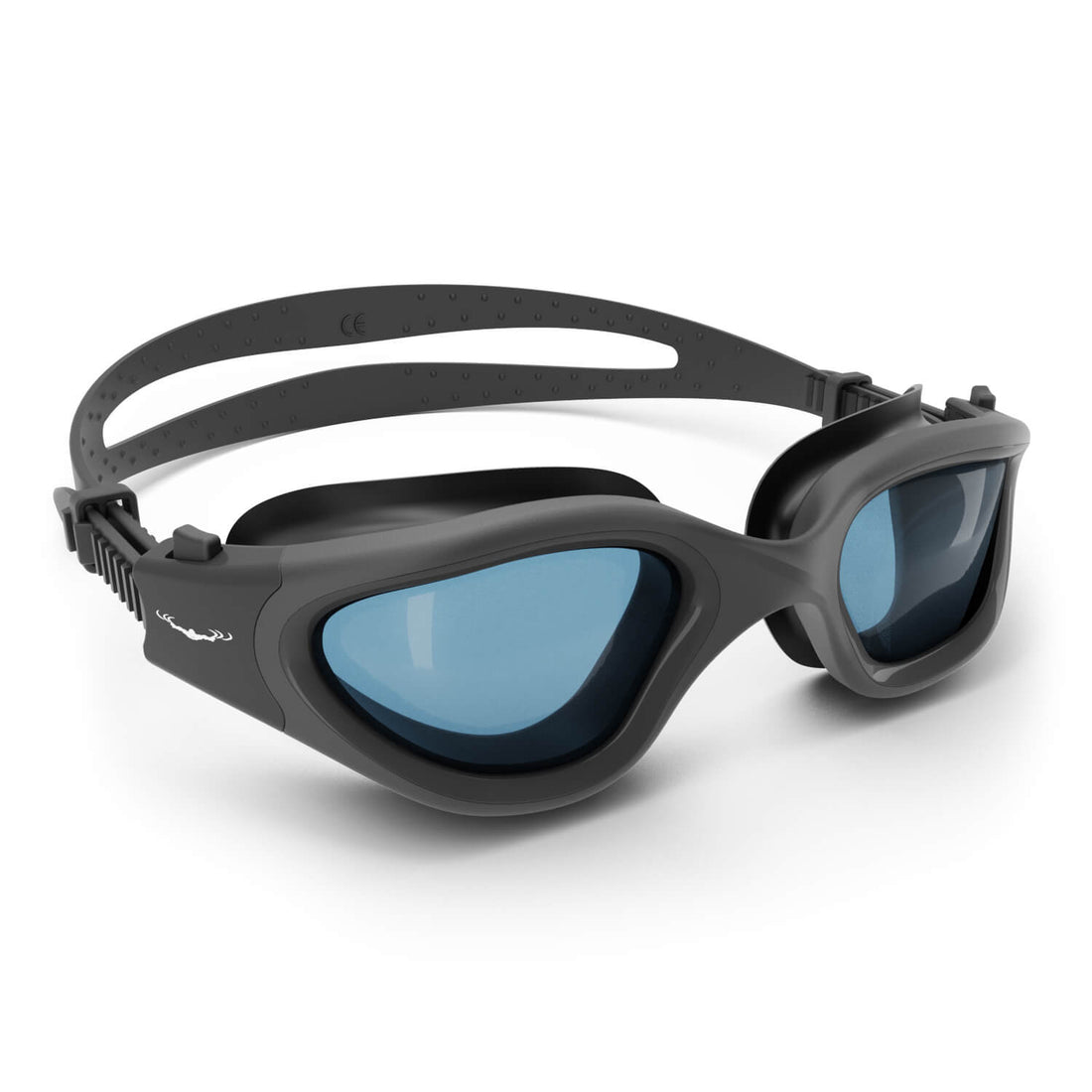
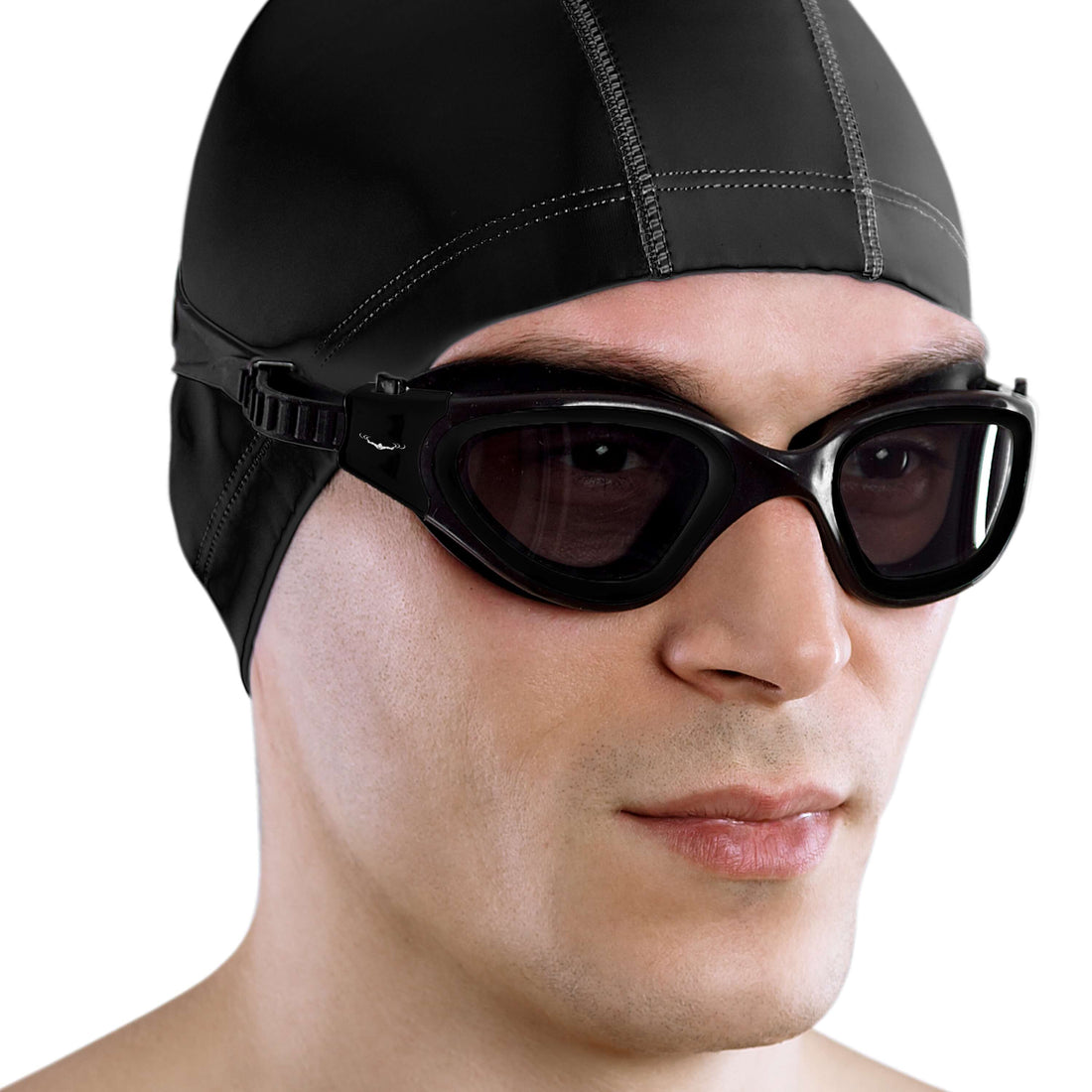
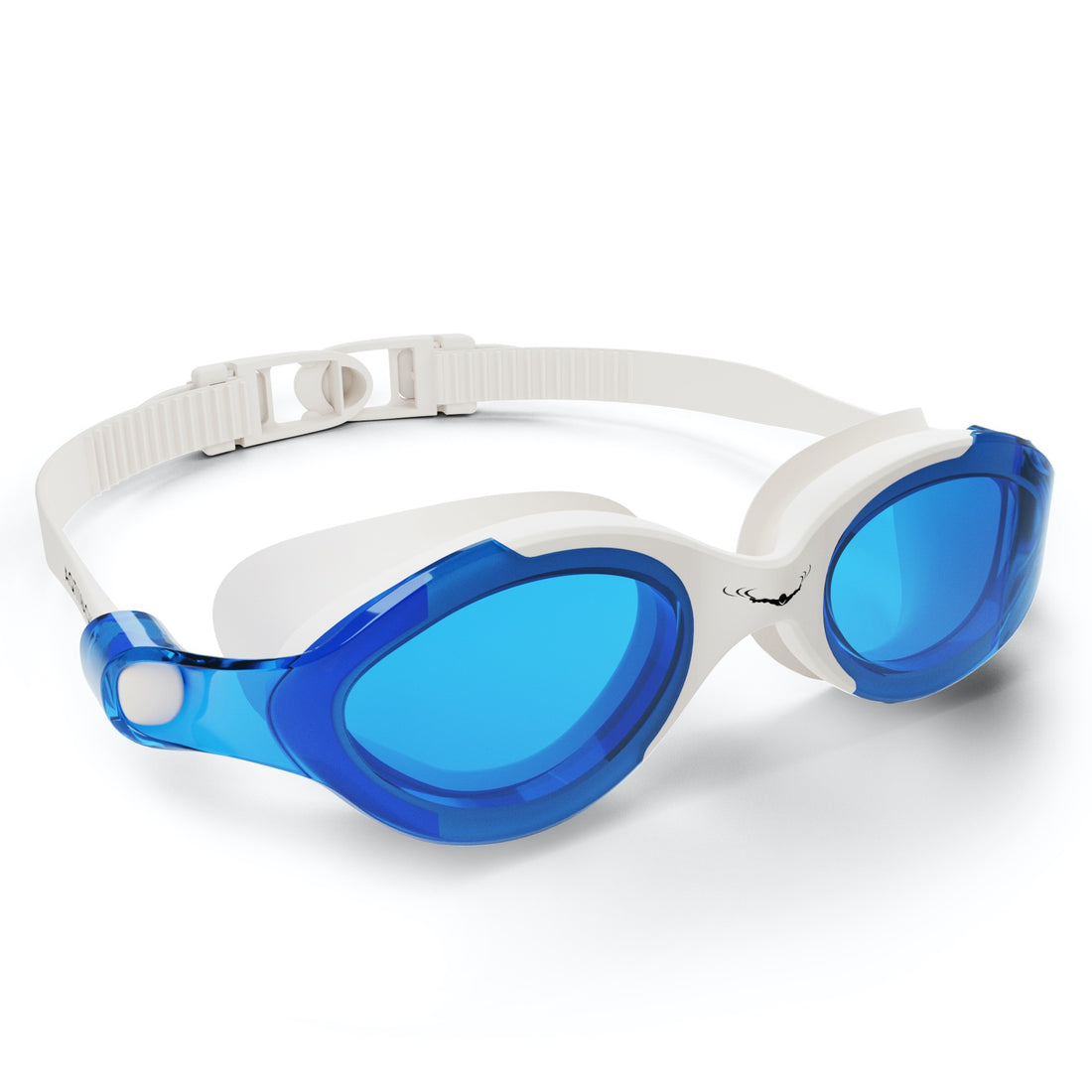
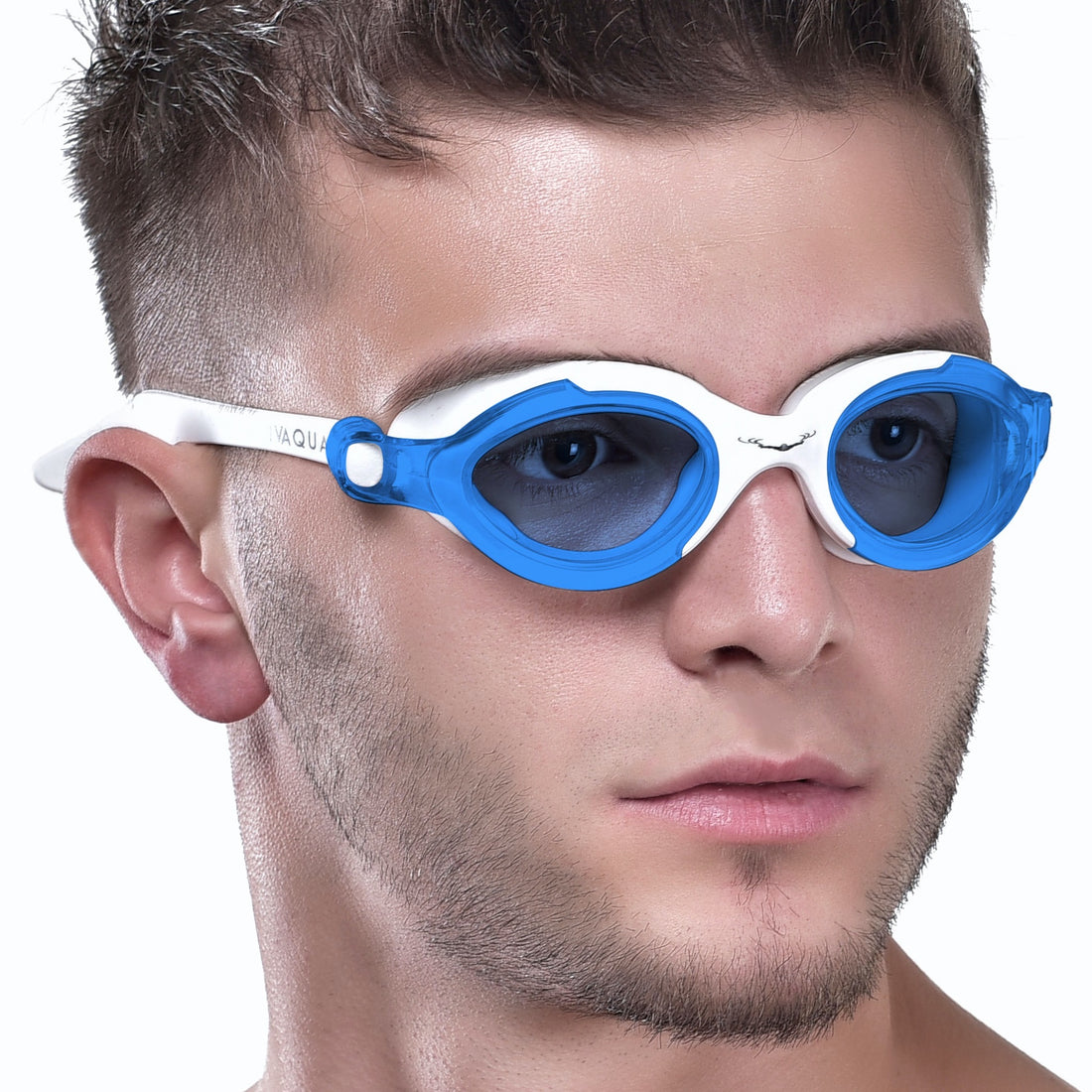
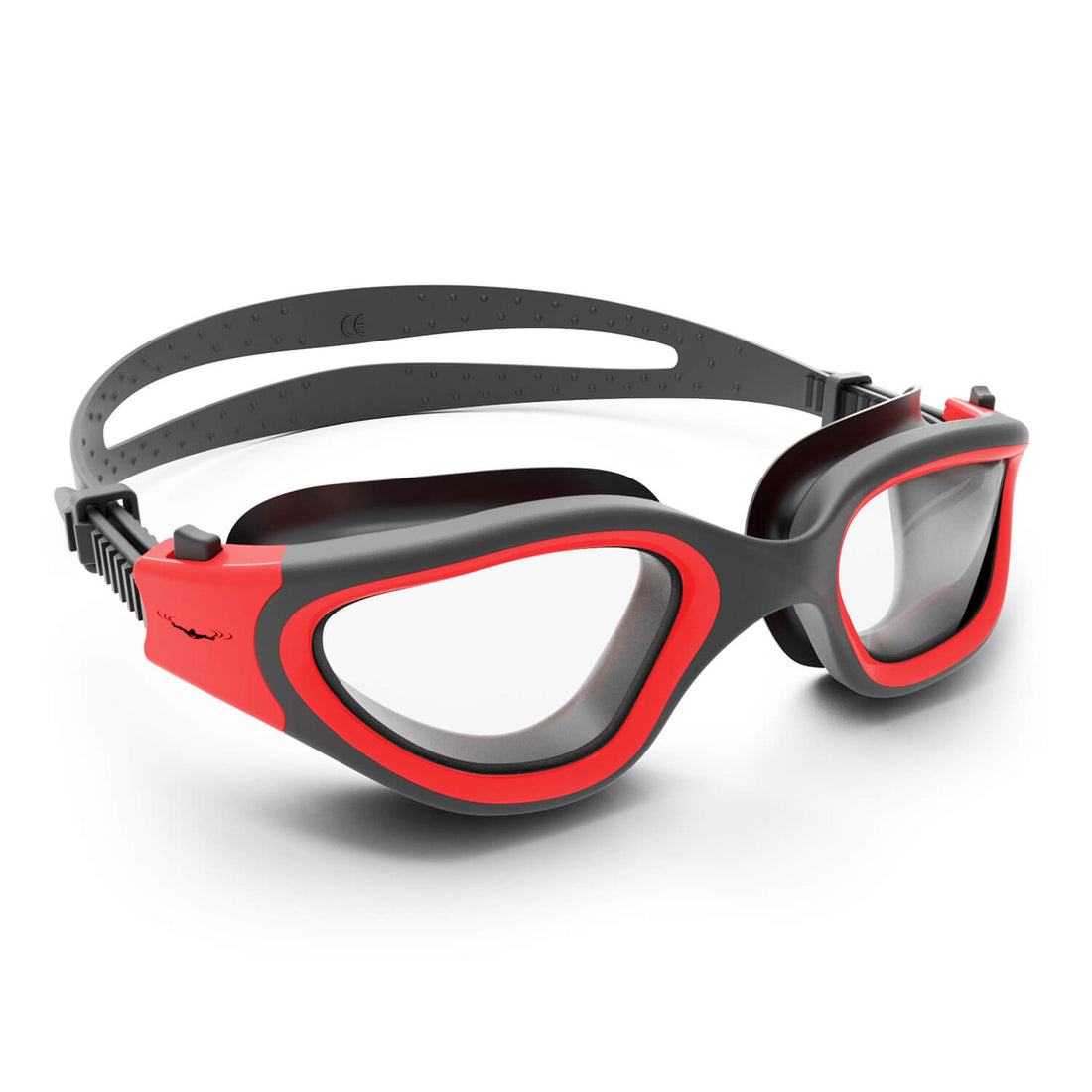
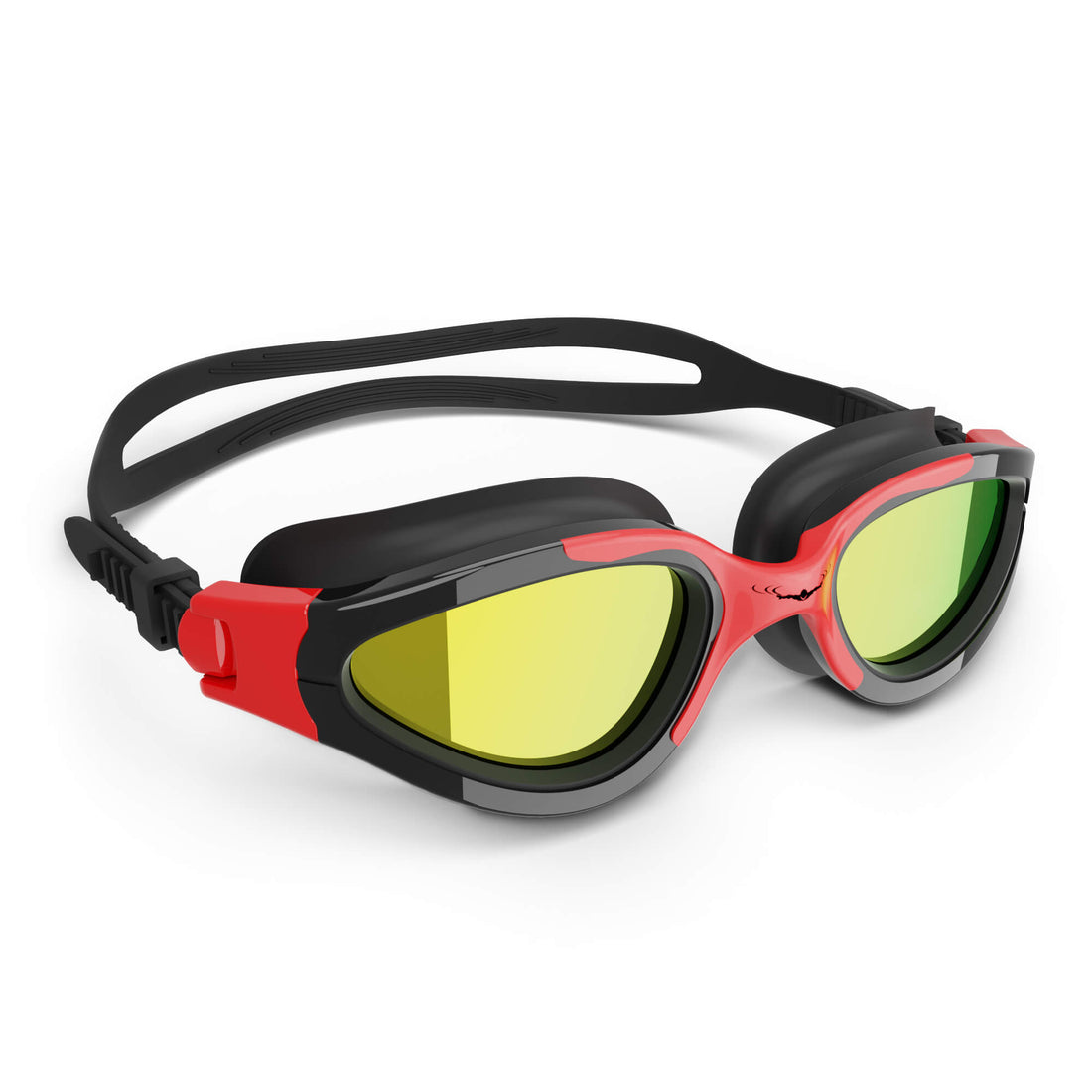
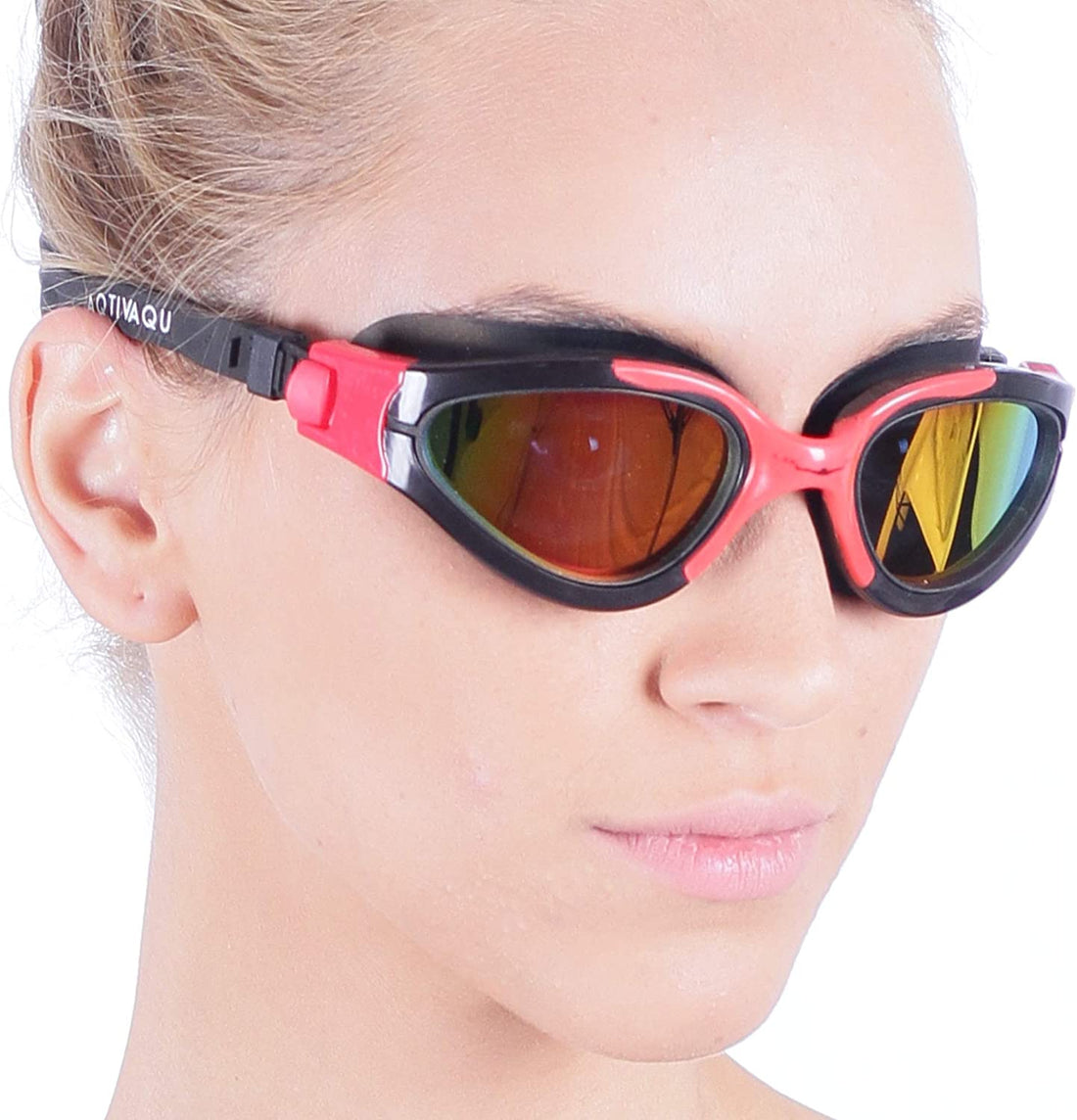
The DX Wide View Swim Goggles feature clear, anti-fog lenses that provide a 180° field of vision, ideal for maintaining focus during competitive swimming. Designed for comfort and security, the goggles include soft double-seals and an adjustable strap that ensures a leak-free fit. Additionally, the included SHOCK protective case offers convenient storage and quick-dry functionality, making these goggles a practical choice for swimmers at any level.
View Product