

Overview
Finding peace in a hectic world can be tough, but swimming offers a unique solution that enhances both physical and mental well-being. By integrating mindfulness into your swim routine, you can reduce stress, improve focus, and cultivate a deeper mind-body connection. Discover practical tips to transform your swimming sessions into a meditative experience that nurtures your mental health.
Table of Contents
- What is Mindfulness?
- The Connection Between Mindfulness and Swimming
- The Mental Health Swimming Benefits
- Swimming as Meditation
- How to Practice Mindfulness While Swimming
- 1. Set Your Intention
- 2. Focus on Breathing
- 3. Engage Your Senses
- 4. Create a Rhythm
- 5. Observe Your Thoughts
- Finding Flow in the Water
- Unlocking the Benefits of Quality Gear
- Mindfulness Techniques Beyond the Pool
- Personalizing Your Mindfulness Journey
- Final Thoughts: Dive Deep into Mindfulness
Key Takeaways
- Mindfulness Enhances Swimming: Practicing mindfulness while swimming helps you stay present, focusing on your breath and strokes, which can reduce stress and anxiety.
- Psychological Benefits: Swimming mindfully can lower cortisol levels, enhance mood through endorphin release, improve focus, and promote better sleep quality.
- Incorporate Intentions: Setting a personal intention before swimming can guide your practice and enhance your mindfulness experience.
- Engage Your Senses: Pay attention to the sensations of water, sounds, and temperature changes to ground yourself in the moment.
- Flow State: Achieving a flow state in swimming involves warming up, varying speeds, and practicing different techniques to keep your mind engaged.
- Quality Gear Matters: Using high-quality swimming gear, like clear swim goggles, can minimize distractions and help maintain focus during your swim.
- Extend Mindfulness Beyond Swimming: Techniques like mindful walking, breathing exercises, and gratitude journaling can help integrate mindfulness into daily life.
In today’s fast-paced world, finding moments of peace and tranquility can be a challenge. Fortunately, there is a practice that not only promotes physical health but also bolsters mental well-being: swimming. The art of mindfulness is increasingly making waves in the swimming community, enhancing the mindfulness in swimming experience for enthusiasts. This article explores how swimming can serve as a form of meditation, the mental health swimming benefits, and tips for incorporating mindfulness into your swim routine.
What is Mindfulness?
Mindfulness is the practice of being fully present in the moment, aware of your thoughts, feelings, and sensations without judgment. It encourages a state of active, open attention to the present, which can significantly reduce stress and anxiety. Integrating mindfulness into everyday activities can help you foster a deeper understanding of your body and mind.
The Connection Between Mindfulness and Swimming
Swimming, often seen merely as a physical activity, can serve as a profound method to practice mindfulness. By focusing on the rhythm of your strokes, the sound of water, and your breath, you can anchor yourself in the present moment. This experience allows swimmers to transcend the noise of daily life, making it a valuable tool for mental health.
The Mental Health Swimming Benefits
Engaging in swimming with a mindful approach offers numerous benefits, both psychological and emotional. Here are some key advantages that you can experience:
- Reduced Stress: Swimming can significantly lower cortisol (the stress hormone) levels, providing a natural remedy for anxiety.
- Enhanced Mood: The endorphins released during swimming can lead to heightened feelings of happiness and well-being.
- Improved Focus: Concentrating on your strokes and breath can sharpen your mental faculties, leading to better focus in other areas of life.
- Better Sleep: Regular swimming, coupled with mindfulness, can promote better sleep quality, making you feel more rested and rejuvenated.
- Increased Mind-Body Connection: Swimming helps you become more aware of your body, leading to improved posture and physical control.
Swimming as Meditation
Many people are surprised to learn that swimming can function similarly to traditional meditation techniques. Here’s how swimming correlates with various meditation practices:
- Concentration: Just like focusing on a mantra, swimmers can concentrate on their breathing or the movement of water.
- Body Awareness: Meditation often involves being attuned to your physical sensations. Swimming naturally cultivates this awareness.
- Mindfulness of Thought: When you swim, your thoughts can drift and wander. Instead of resisting this, practicing non-judgment allows you to return to your breath and swim.
How to Practice Mindfulness While Swimming
Incorporating mindfulness into your swimming practice can transform a typical workout into a therapeutic session. Here are some practical tips to get started:
1. Set Your Intention
Before you enter the pool, take a moment to set a personal intention for your swim. It could be something like enjoying the movement of the water or focusing on your breath. This intention will guide your practice and help you stay centered.
2. Focus on Breathing
Breathing is a critical element of swimming, and aligning your breaths with your strokes can amplify your mindfulness. Focus on taking deep, rhythmic breaths to enhance your bodily awareness and calm your mind. In those moments when you feel overwhelmed, turn your attention to your breath, letting every glide through the water feel meditative.
3. Engage Your Senses
Pay attention to the sensations while swimming. Notice the feeling of water gliding over your skin, the sound of water splashing around you, and the changes in temperature as you swim. These sensory experiences can ground you in the moment and enrich your swimming experience.
4. Create a Rhythm
Establishing a rhythm can help immerse you in a flow state, where your mind becomes quiet. While swimming, coordinate your strokes, breaths, and kicks to create a natural rhythm. This synchronization can lead to a meditative mindset.
5. Observe Your Thoughts
It’s natural for your mind to wander while swimming. When you notice this happening, gently acknowledge those thoughts without judgment, then redirect your focus back to your breath or your strokes. This practice of returning your attention is a core aspect of mindfulness.
Finding Flow in the Water
Achieving a sense of flow—the state where you lose track of time and become fully engaged in the activity—is incredibly fulfilling. Swimming can foster this experience when approached with mindfulness. Here’s how to enhance your flow state:
- Start with a Warm-Up: Gradually ease into your swim with a few warm-up laps. This helps prepare both your body and mind.
- Vary Your Swimming Speed: Mix fast-paced laps with slow and deliberate strokes that allow you to feel each movement.
- Practice Different Techniques: Use a variety of strokes or swimming styles to keep your practice dynamic and engaging.
Unlocking the Benefits of Quality Gear
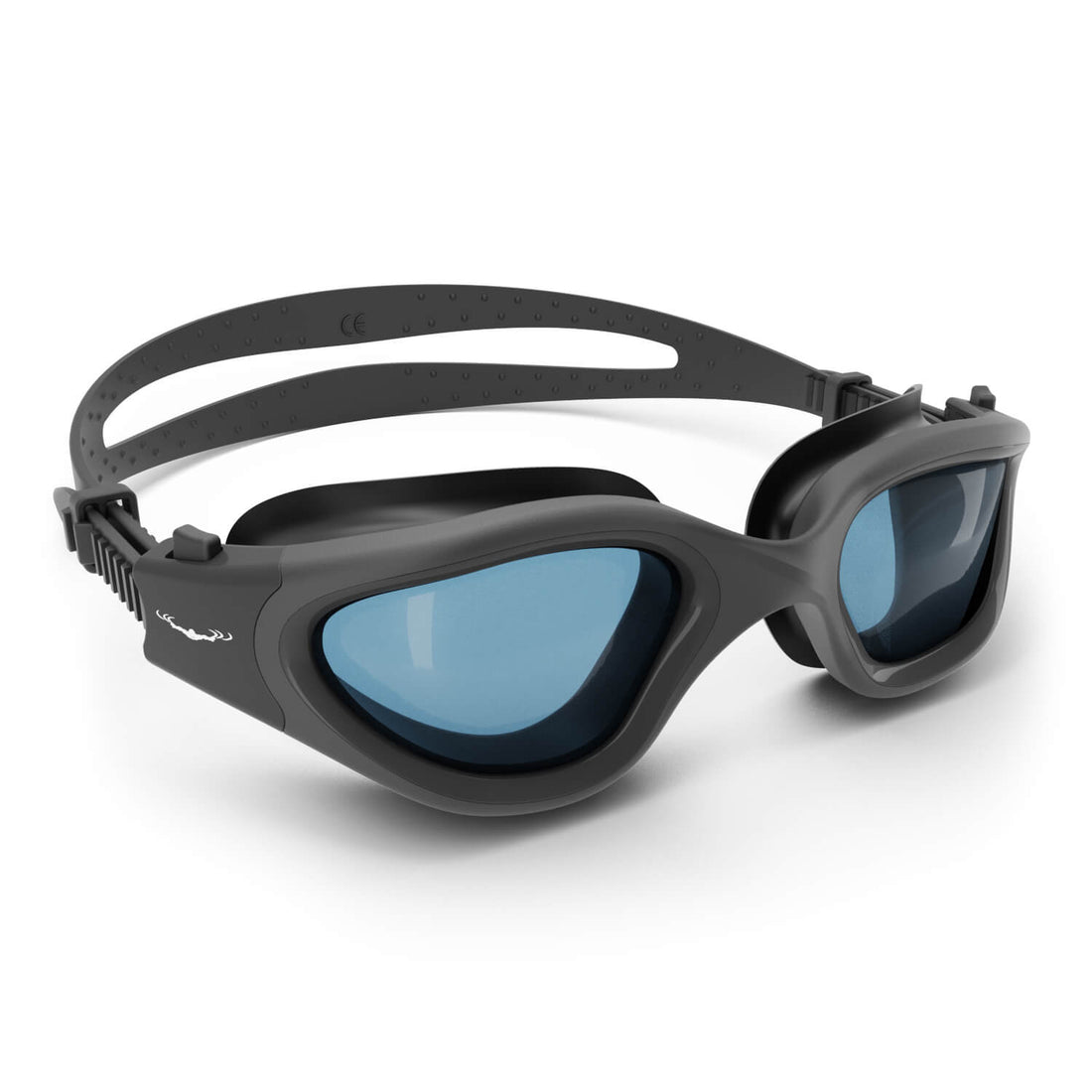
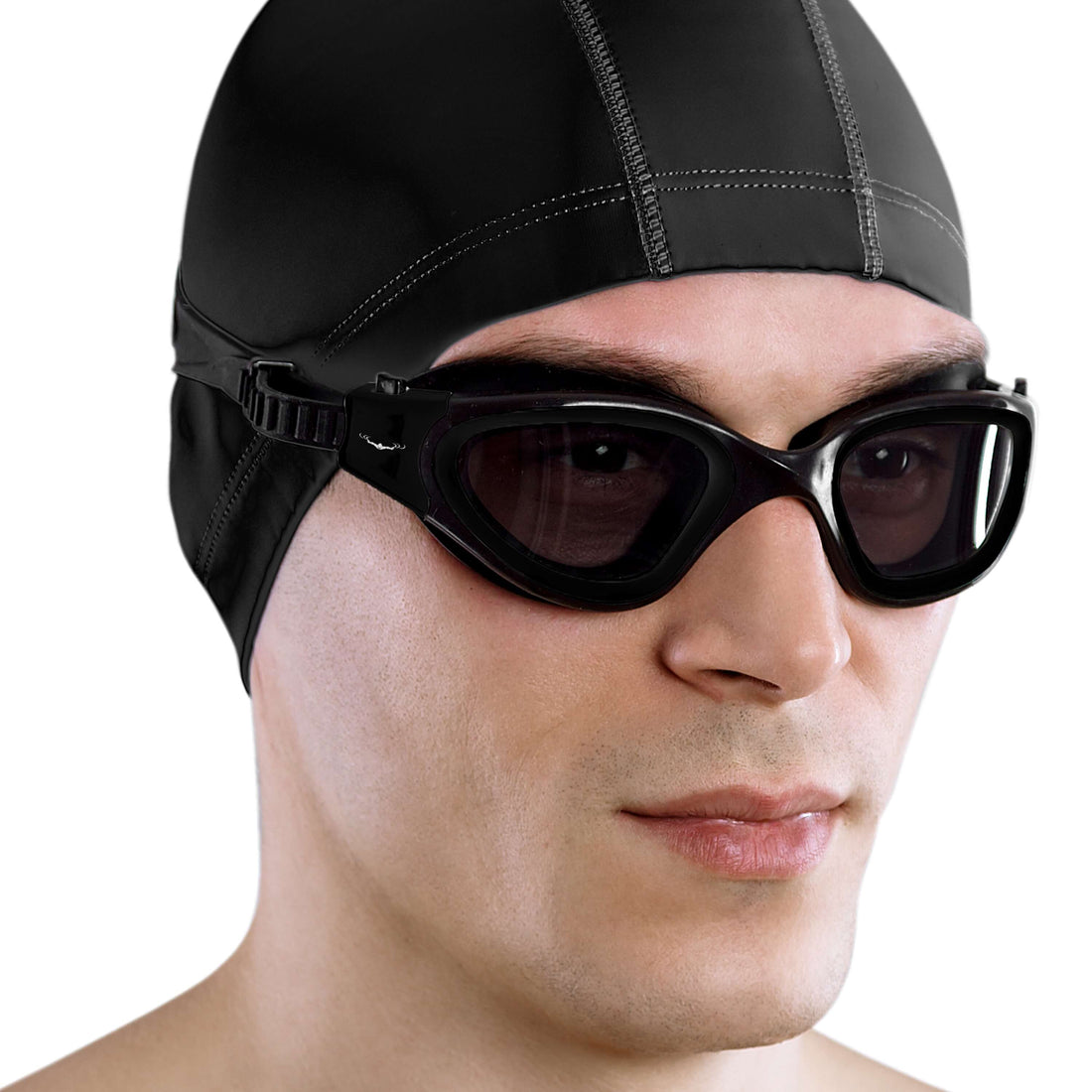
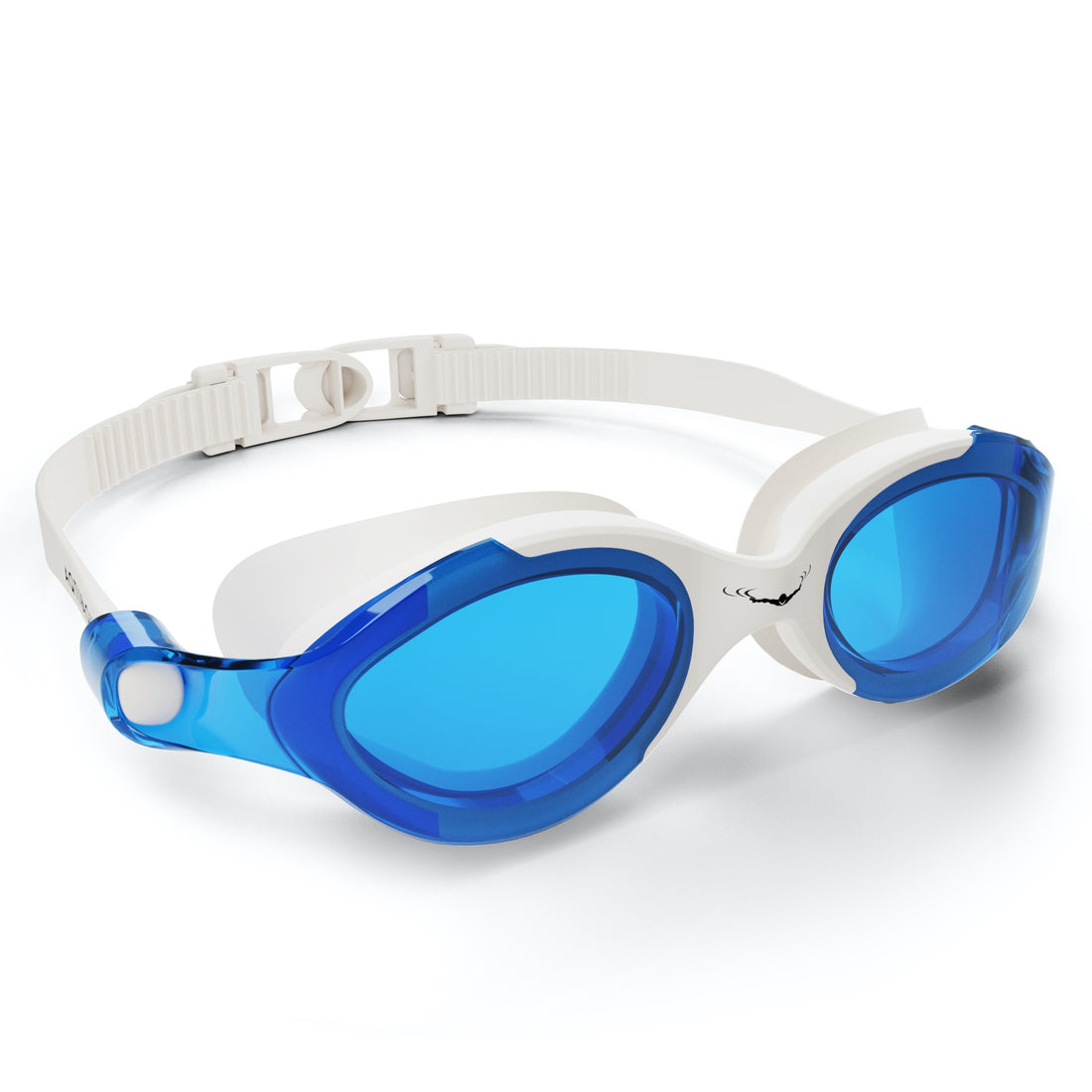
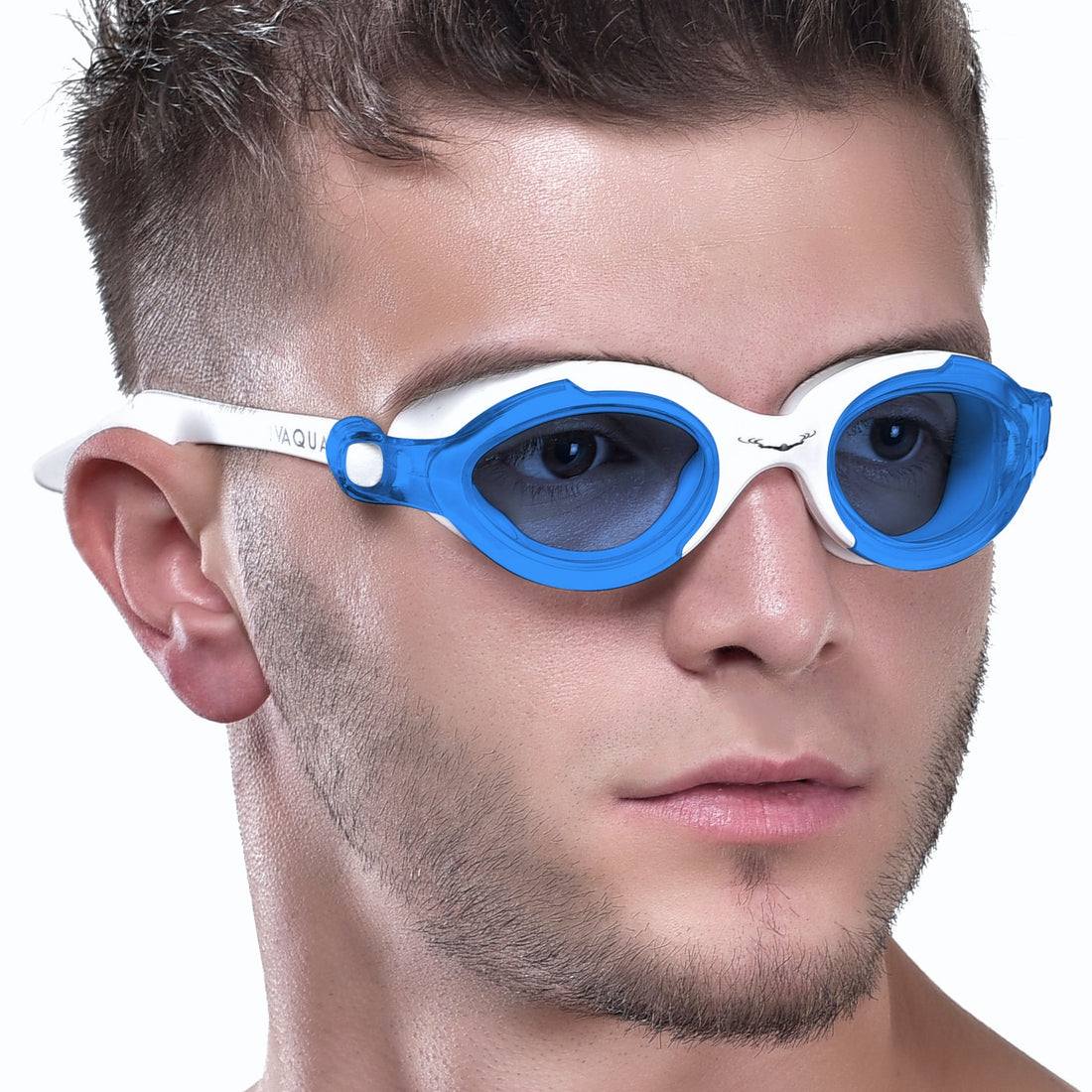
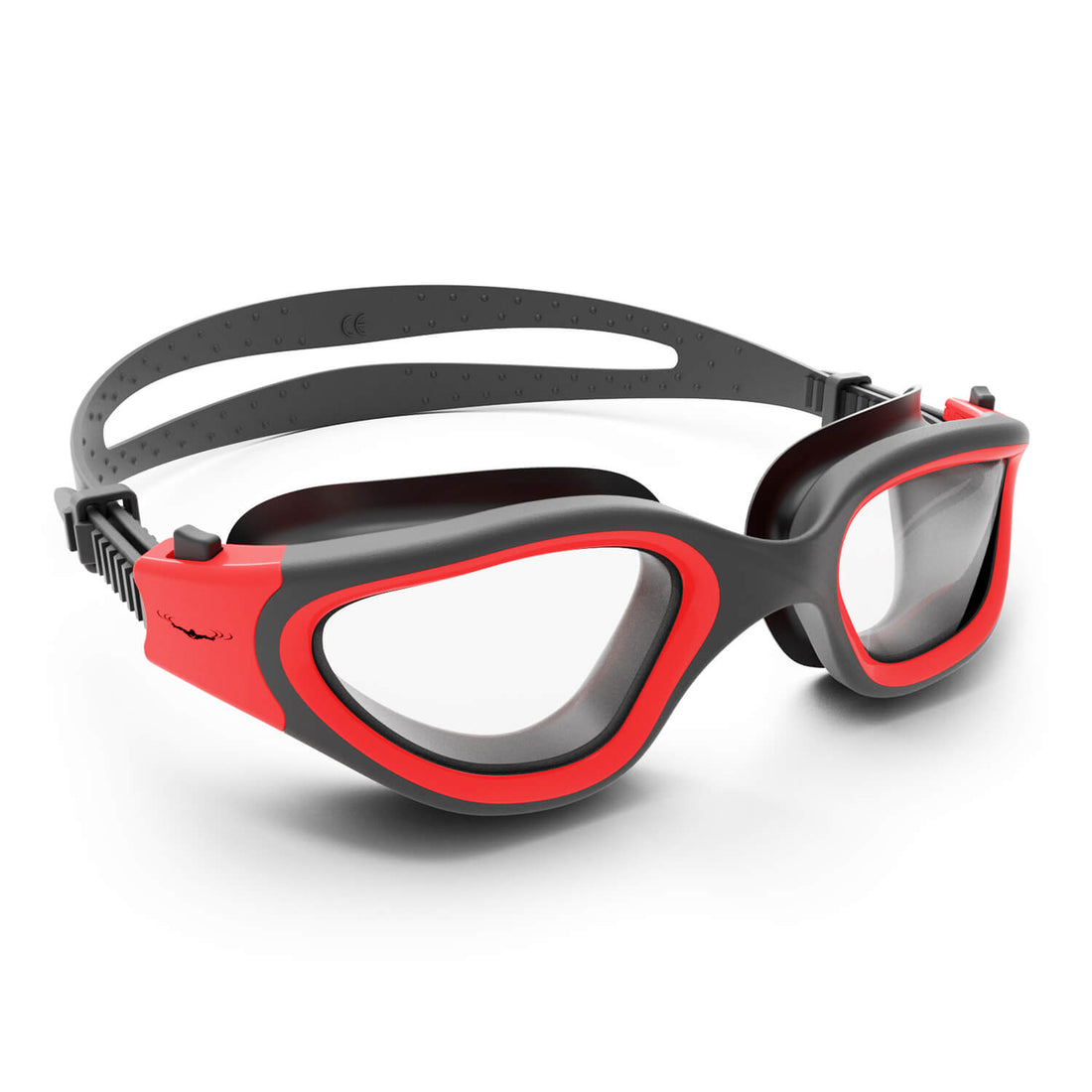
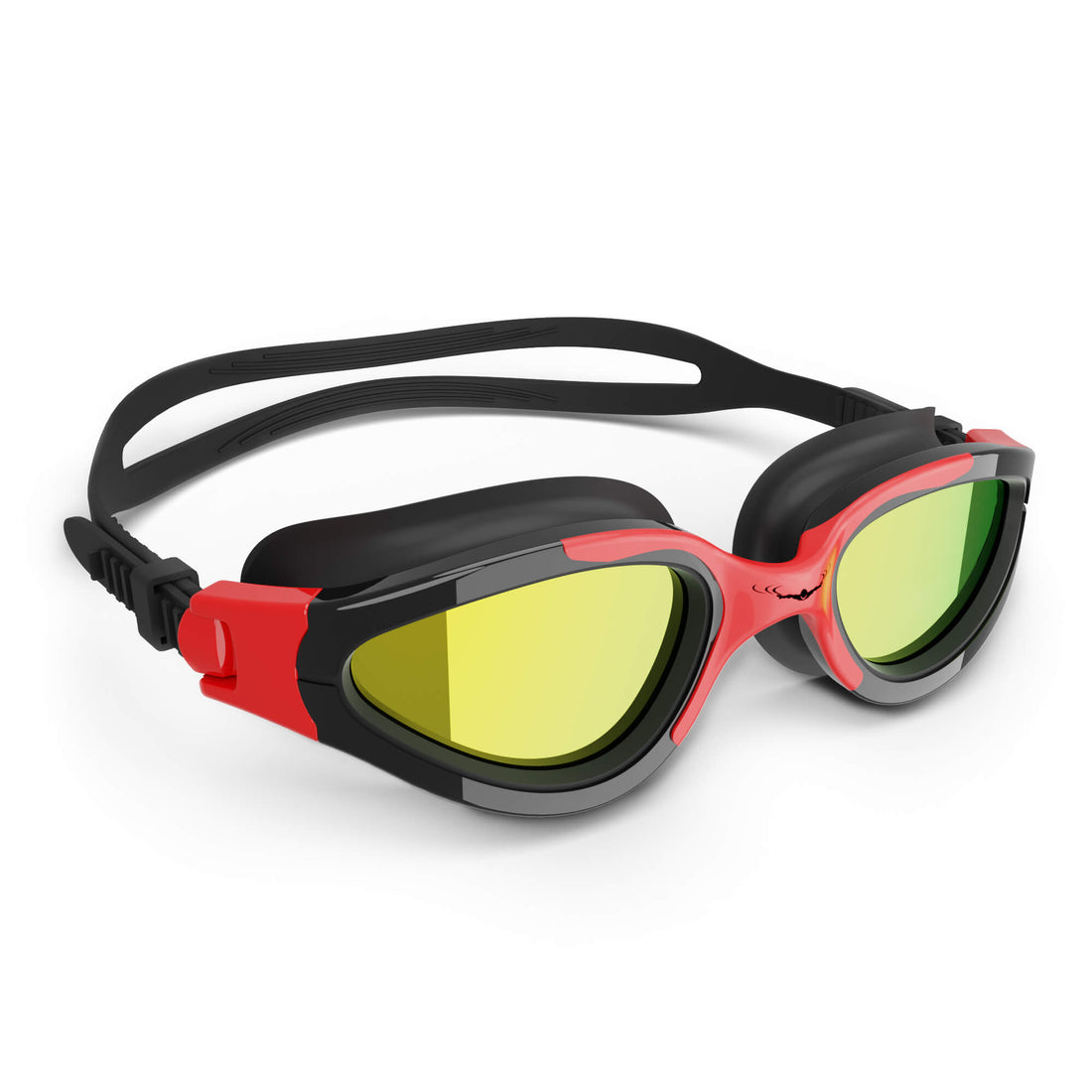
Using high-quality swimming gear can enhance your mindfulness experience. For example, using swim goggles that allow for a clear view can support better focus and reduce distractions. Consider products like DX Wide View Swim Goggles that feature:
- 180° polycarbonate lenses for true-color visibility
- Advanced anti-fog technology for crisp, clear vision
- Soft, flexible double-seals that ensure comfort and leak-free focus
Such gear is designed to keep your focus on your performance rather than the discomfort of your equipment, allowing you to immerse yourself fully in the moment.
Mindfulness Techniques Beyond the Pool
While swimming is a fantastic opportunity for mindfulness, consider extending these practices beyond the pool. Integrating mindfulness into everyday life can create a more balanced mental state. Here are some techniques:
- Mindful Walking: Practice walking without distractions. Focus on each step, feeling the ground beneath you.
- Breathing Exercises: Spend a few minutes each day focusing on your breath, inhaling deeply and exhaling slowly.
- Gratitude Journaling: Write down things you’re thankful for, intentionally reflecting on the positive aspects of your life.
Personalizing Your Mindfulness Journey
Everyone's journey into mindfulness and swimming will look different. The key is to explore and find what resonates with you. Whether you’re swimming laps for exercise or delighting in the sensation of water on your skin, each moment is an opportunity for mindfulness. Consider combining mindfulness techniques with different swimming environments—indoor pools offer a controlled experience, while open water can introduce you to the natural rhythms of your surroundings.
Final Thoughts: Dive Deep into Mindfulness
Swimming is more than just a sport; it’s an art that can be harmonized with mindfulness practices. By integrating mindfulness in swimming, you enable yourself to experience mental health swimming benefits while enjoying a meditative practice. Dive into the soothing waters of mindfulness, and watch as it transforms both your swimming and overall well-being!
Frequently Asked Questions
1. What is mindfulness in swimming?
2. What are the mental health benefits of swimming?
3. How can I incorporate mindfulness into my swimming routine?
4. Can swimming be considered a form of meditation?
5. What techniques can I use to enhance my mindfulness practice outside of swimming?
Glossary
| Term | Meaning |
|---|---|
| Mindfulness | The practice of being fully present and aware of thoughts and sensations. |
| Swimming | A physical activity that can also serve as a form of meditation. |
| Cortisol | The hormone associated with stress that swimming can help reduce. |
| Endorphins | Chemicals released during exercise that enhance mood and happiness. |
| Flow State | A mental state of being fully immersed and engaged in an activity. |
| Breath Synchronization | Coordinating breathing with swimming strokes to enhance mindfulness. |
| Sensory Engagement | Being aware of physical sensations during swimming to ground oneself. |
| Warm-Up | Preparing the body and mind with light activity before swimming. |
| Mindful Walking | Walking with full attention to each step and the environment. |
| Gratitude Journaling | Writing down things to be thankful for to promote positive thinking. |
Linked Product

DX Wide View Swim Goggles + SHOCK Protective Case
The DX Wide View Swim Goggles feature 180° polycarbonate lenses that provide clear visibility in various lighting conditions, ensuring you can focus on your performance. The goggles are designed for comfort with soft double seals that create a secure fit while preventing leaks. Additionally, the included SHOCK protective case offers durable storage with quick-dry capabilities, making it easy to maintain your gear between swims.
View Product