

Overview
Swimming is an effective rehabilitation therapy for injuries, surgeries, and chronic conditions due to its low-impact nature, muscle strengthening benefits, and stress relief. It promotes healing, flexibility, and mental well-being. To get started, focus on safety, proper gear, and a consistent routine that includes warm-ups, various strokes, and cool-downs. Joining group classes can enhance motivation and support. Remember to listen to your body and track progress for effective recovery.
Table of Contents
- Why Swimming for Rehabilitation?
- How Swimming Aids in Various Rehabilitation Scenarios
- Recovery from Surgery
- Injury Rehabilitation
- Chronic Conditions Management
- Getting Started: Stretching and Safety Tips
- Stretch Before Entering the Pool
- Use the Right Gear
- Creating a Swimming Routine for Rehabilitation
- Warm-Up Exercises (5-10 Minutes)
- Swimming Strokes to Consider
- Cool Down Techniques (5-10 Minutes)
- The Mental Health Benefits of Swimming
- Reducing Anxiety and Stress
- Building Confidence
- Engaging in Water-Based Group Activities
- Water Aerobics
- Support Networks
- Important Considerations and Final Advice
Key Takeaways
- Low-Impact Exercise: Swimming minimizes joint stress, making it ideal for injury recovery.
- Muscle Strengthening: Engages multiple muscle groups to rebuild strength and enhance tone.
- Improved Flexibility: Different swimming strokes can enhance range of motion in joints.
- Calming Effects: The soothing nature of water contributes to mental well-being and stress relief.
- Rehabilitation for Chronic Conditions: Effective for managing conditions like arthritis and fibromyalgia through gentle resistance.
- Safety First: Always warm up with stretching and use appropriate gear, such as swim goggles, for a better experience.
- Establish a Routine: Consistency in swimming sessions helps track progress and maintain motivation.
Frequently Asked Questions
1. What are the benefits of swimming for rehabilitation?
2. How does swimming aid recovery from surgery?
3. Can swimming help manage chronic conditions?
4. What should I consider before starting a swimming rehabilitation program?
5. What essential gear should I use for swimming rehabilitation?
Swimming has long been known as a wonderful recreational activity that promotes fitness and relaxation. However, less widely recognized is the potential of swimming as an effective rehabilitation therapy. This blog explores how swimming can serve as a powerful method for recovery from injuries, surgeries, and chronic conditions, while ensuring you learn about essential gear, such as swim goggles, that enhances your experience.
Why Swimming for Rehabilitation?
Swimming is one of the most beneficial forms of exercise when it comes to rehabilitation therapy. But what makes it so unique? Here are a few key reasons:
- Low-Impact Therapy: The buoyancy of water reduces the impact on joints, making swimming ideal for individuals recovering from injuries.
- Muscle Strengthening: Swimming engages various muscle groups, helping to rebuild strength and enhance muscle tone.
- Range of Motion: Swimming promotes flexibility and can improve the range of motion in joints through different strokes.
- Stress Relief: The calming effect of water can contribute to mental well-being, thus aiding in the healing process.
How Swimming Aids in Various Rehabilitation Scenarios
Remember, while swimming offers many benefits, consult a healthcare professional before starting any rehabilitation program. Here are the various conditions where swimming can be particularly beneficial:
Recovery from Surgery
Individuals who have undergone surgeries, especially orthopedic surgery, can find swimming an exceptional way to rehabilitate. As you immerse yourself in water, you’ll experience relief from pain and pressure, allowing for gradual movement without added strain. Swimming helps improve circulation and promotes healing, facilitating a quicker return to your normal activity levels.
Injury Rehabilitation
For athletes or active individuals, injuries can often lead to lengthy recoveries. Swimming as a form of rehabilitation can aid in maintaining overall cardiovascular fitness while allowing injured areas to heal without excess strain. Swimming not only helps in muscle rebuilding but also enhances coordination and balance - essential qualities that can help prevent future injuries.
Chronic Conditions Management
Many individuals suffering from chronic conditions, such as arthritis or fibromyalgia, find swimming to be an effective therapy. Water provides therapeutic resistance that contributes to gentle muscle strengthening while nurturing flexibility. The warm water will also promote relaxation, alleviating symptoms of chronic pain.
Getting Started: Stretching and Safety Tips
While swimming is an excellent form of rehabilitation therapy, it's vital to approach it with safety in mind. Here are a few tips to get you started:
Stretch Before Entering the Pool
Warm-up exercises and gentle stretching are essential before entering the pool. Stretching helps prepare your muscles for the workout ahead and can significantly reduce the risk of injury. Focus on the areas you intend to work on, ensuring that you’re loose and ready to move.
Use the Right Gear
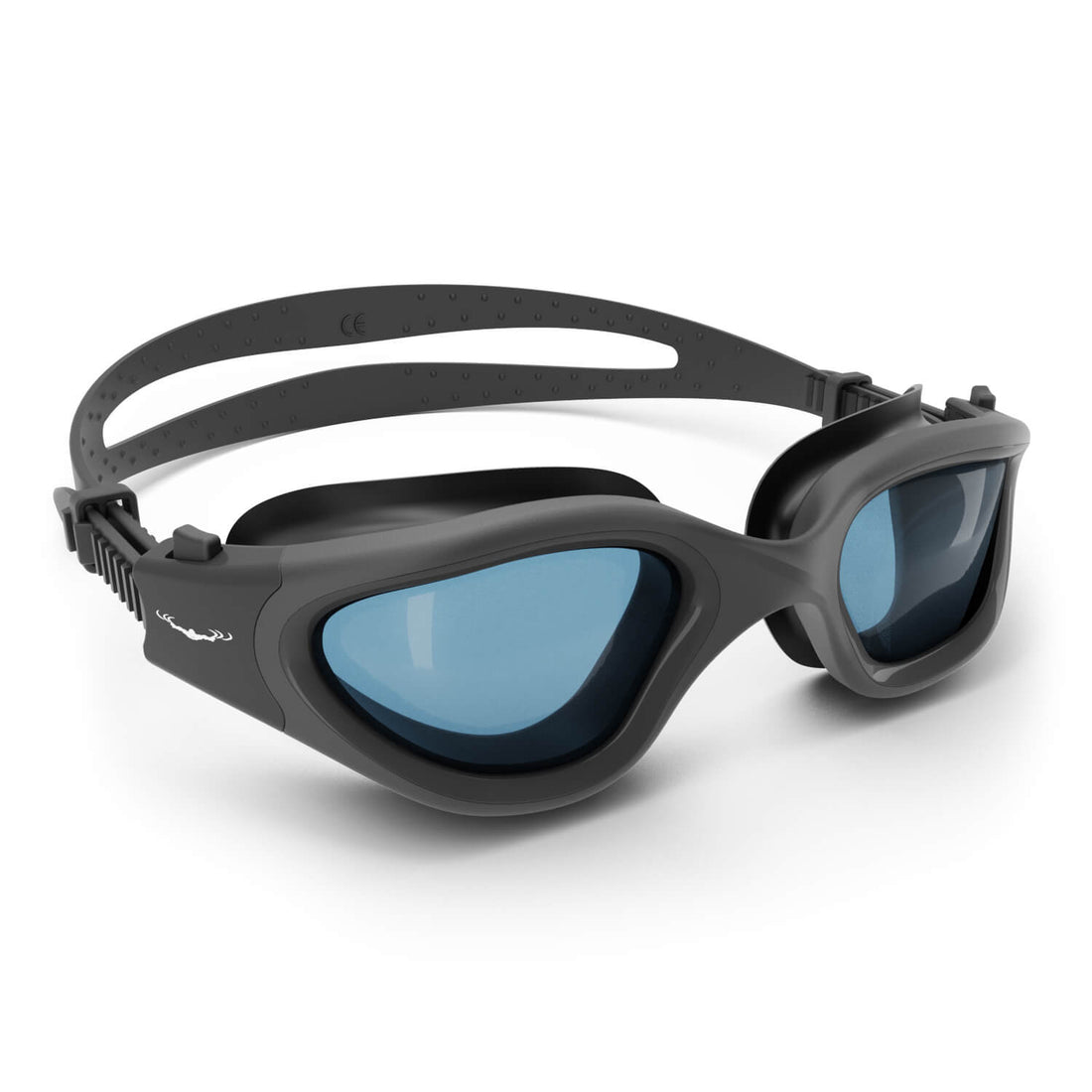
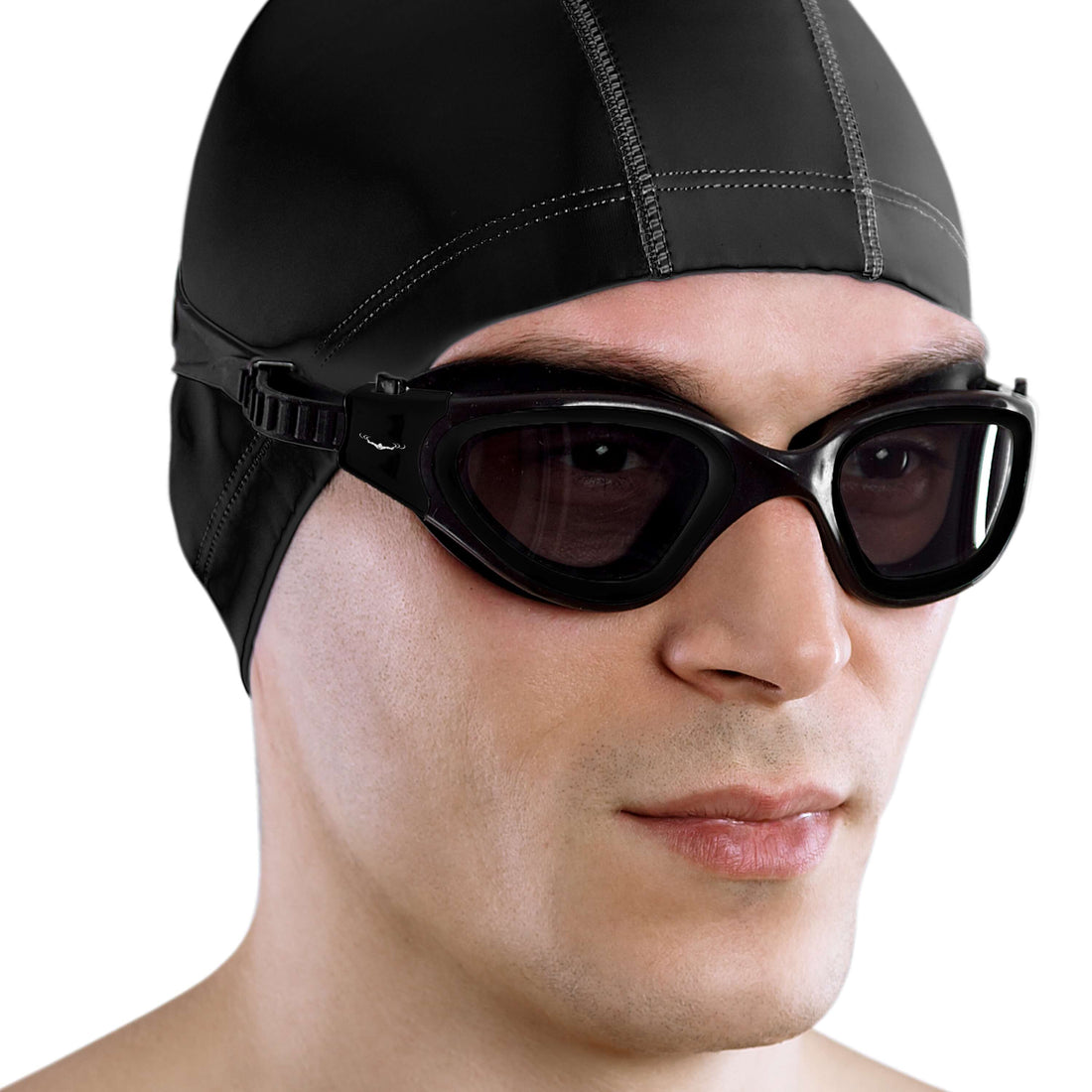
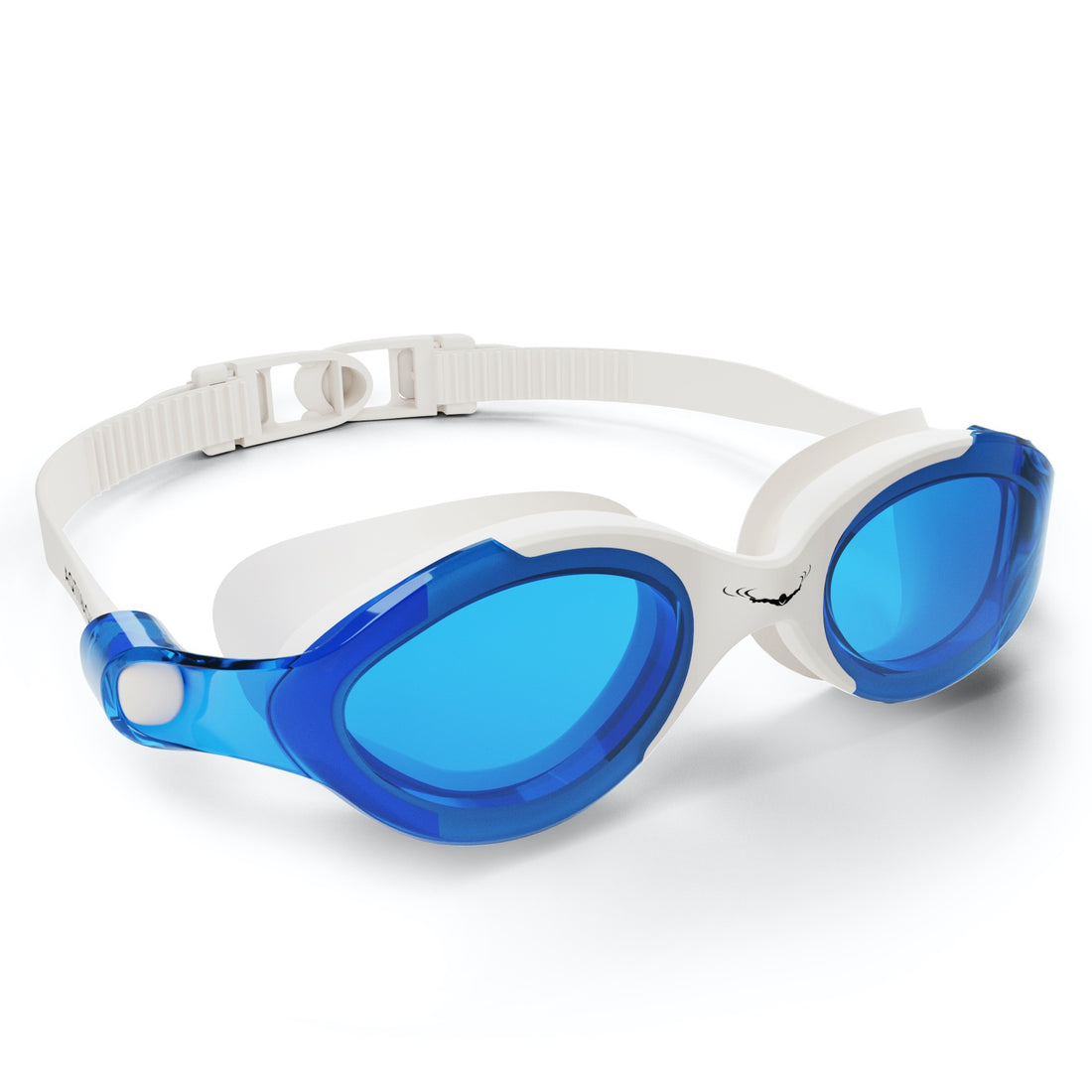
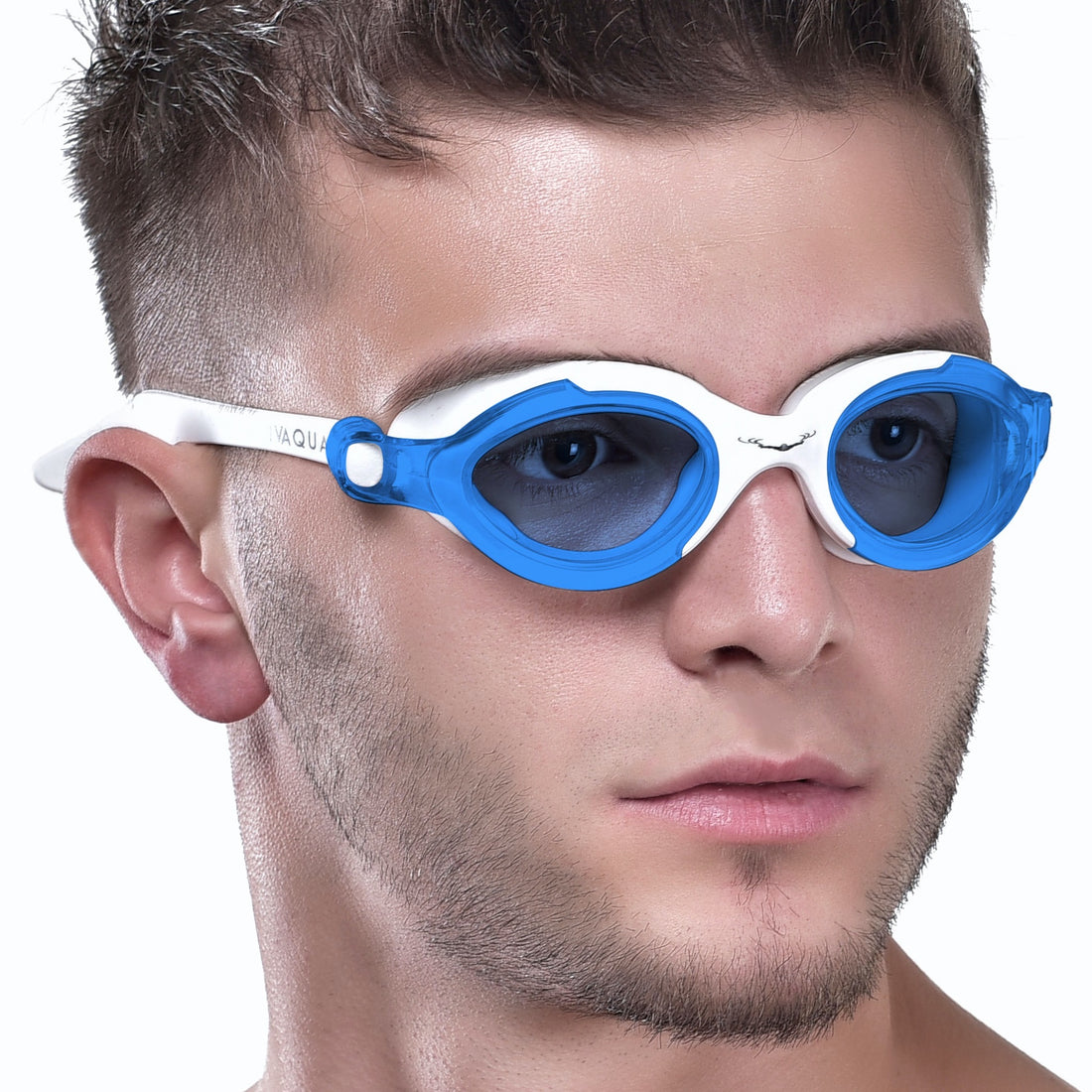
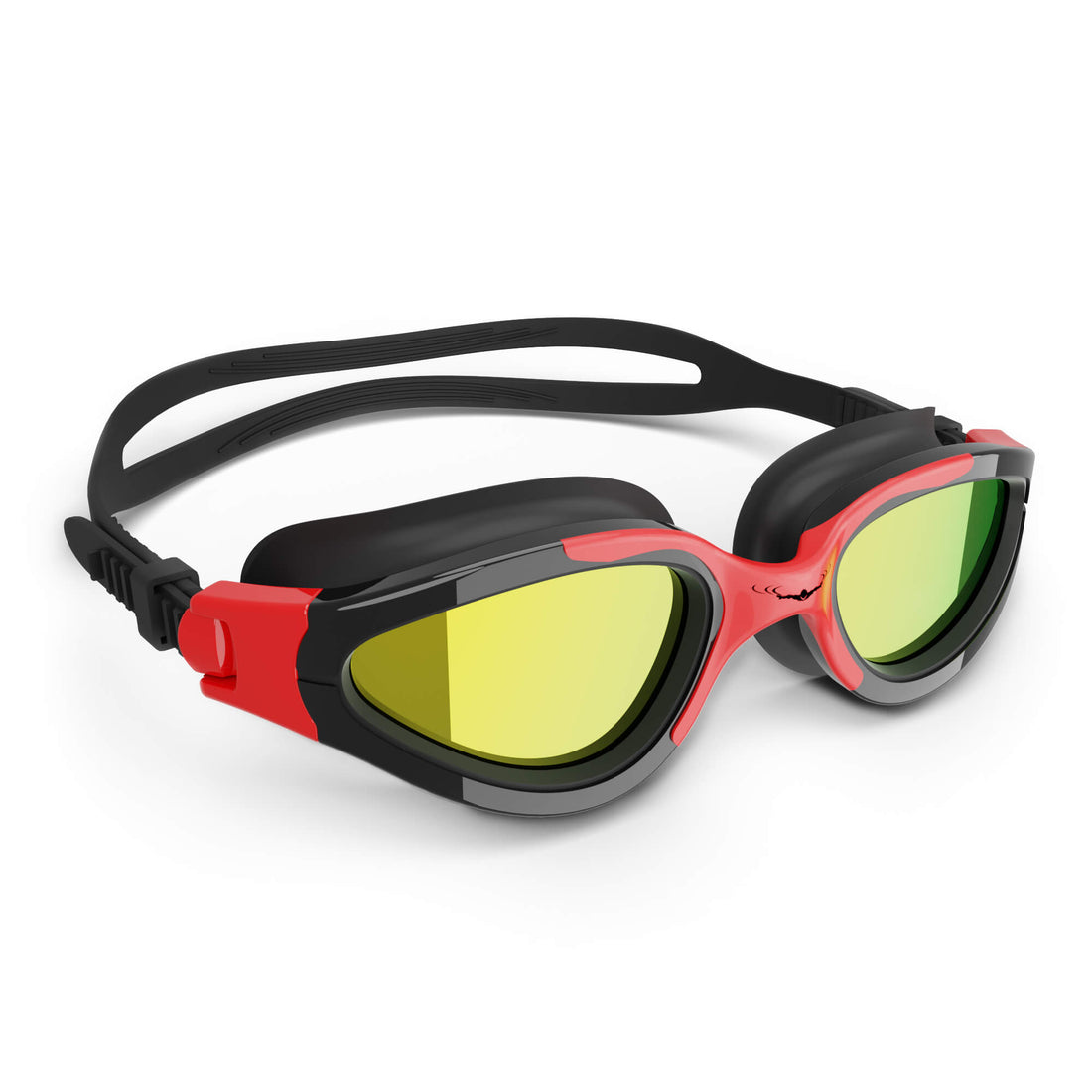
Investing in appropriate swimming gear can immensely improve your experience. A good pair of swim goggles ensures you can see clearly underwater, helping you focus on your technique, speed, and movements. Comfort during your swimming session is key to sustaining the activity as part of your rehabilitation process.
Creating a Swimming Routine for Rehabilitation
Establishing a swimming routine is crucial for maintaining consistency and tracking your progress. Below are some recommended components to consider for your rehabilitation swimming routine:
Warm-Up Exercises (5-10 Minutes)
Before jumping into the water, do some light exercises or stretching. This could include arm circles, ankle rotations, and gentle neck stretches to loosen up.
Swimming Strokes to Consider
Once you're warmed up and ready, you can explore various swimming strokes. Each stroke has its own benefits:
- Freestyle: Excellent for cardiovascular strength, allowing you to engage multiple muscle groups.
- Backstroke: Known for improving balance and posture, it’s also easy on the neck and spine.
- Breaststroke: Strengthens inner thighs and works on your overall coordination.
- Butterfly: Engages your core and upper body effectively, but be sure to manage your energy if you're still in recovery.
Cool Down Techniques (5-10 Minutes)
After your swimming session, cool down by swimming slowly or performing gentle stretches. This phase promotes recovery and helps in muscle relaxation.
The Mental Health Benefits of Swimming
Aside from the physical advantages, swimming also offers essential mental health benefits that should not be overlooked.
Reducing Anxiety and Stress
Being in water has a soothing effect, which can significantly lower stress levels. The repetitive strokes of swimming provide a meditative quality as you concentrate on your breathing and rhythm, helping clear your mind. Practicing mindfulness in the water can also be beneficial to mental health recovery.
Building Confidence
As you progress in your swimming abilities and see improvements in your physical condition, your confidence will naturally grow. This boost in self-esteem can positively influence other aspects of your life, furthering your rehabilitation journey.
Engaging in Water-Based Group Activities
Swimming is not only an excellent solo activity but also a fantastic opportunity to join group classes focused on rehabilitation. These classes provide both social interaction and additional motivation, enhancing your commitment to recovery.
Water Aerobics
Many facilities offer water aerobics classes that are tailored for rehabilitation. These classes focus on low-impact movements that help improve flexibility and strength, while allowing for socialization and shared encouragement.
Support Networks
Joining a swimming community or group can foster camaraderie among individuals with similar goals. Sharing experiences and challenges can provide emotional support during the rehabilitation process, making it easier to maintain motivation.
Important Considerations and Final Advice
As you embark on this healing journey through swimming, remember that patience is key. Recovery is not a race, but a gradual process that requires dedication and time. Here are some closing thoughts to consider:
- Listen to Your Body: If you feel pain or discomfort, consider taking a break or reducing the intensity of your workout.
- Stay Hydrated: While you’re in the water, remember to drink fluids before and after swimming, as hydration is essential during the rehabilitation process.
- Track Progress: Keep a log of your swimming sessions, noting improvements in distance, strokes, and how you feel post-workout. This will help you stay motivated and set new goals.
By actively incorporating swimming into your rehabilitation program and utilizing suitable gear like swim goggles, you’ll be well on your way to achieving your goals. Embrace the journey and enjoy all the physical and psychological benefits that come from swimming. Not only can you reclaim your fitness, but you can also pave the way to a brighter, healthier future with every stroke!
Glossary
| Term | Meaning |
|---|---|
| Low-Impact Therapy | Exercise method that minimizes stress on joints. |
| Muscle Strengthening | Process of rebuilding and enhancing muscle power. |
| Range of Motion | Flexibility and movement capability of joints. |
| Chronic Conditions | Long-term health issues requiring ongoing management. |
| Warm-Up Exercises | Activities to prepare the body for physical exertion. |
| Swimming Strokes | Different techniques used while swimming, each with unique benefits. |
| Cool Down Techniques | Methods to relax muscles and recover after exercise. |
| Water Aerobics | Exercise classes in water focusing on low-impact movements. |
| Support Networks | Groups providing emotional and motivational support during recovery. |
| Hydration | Maintaining fluid balance for optimal health and recovery. |
Linked Product

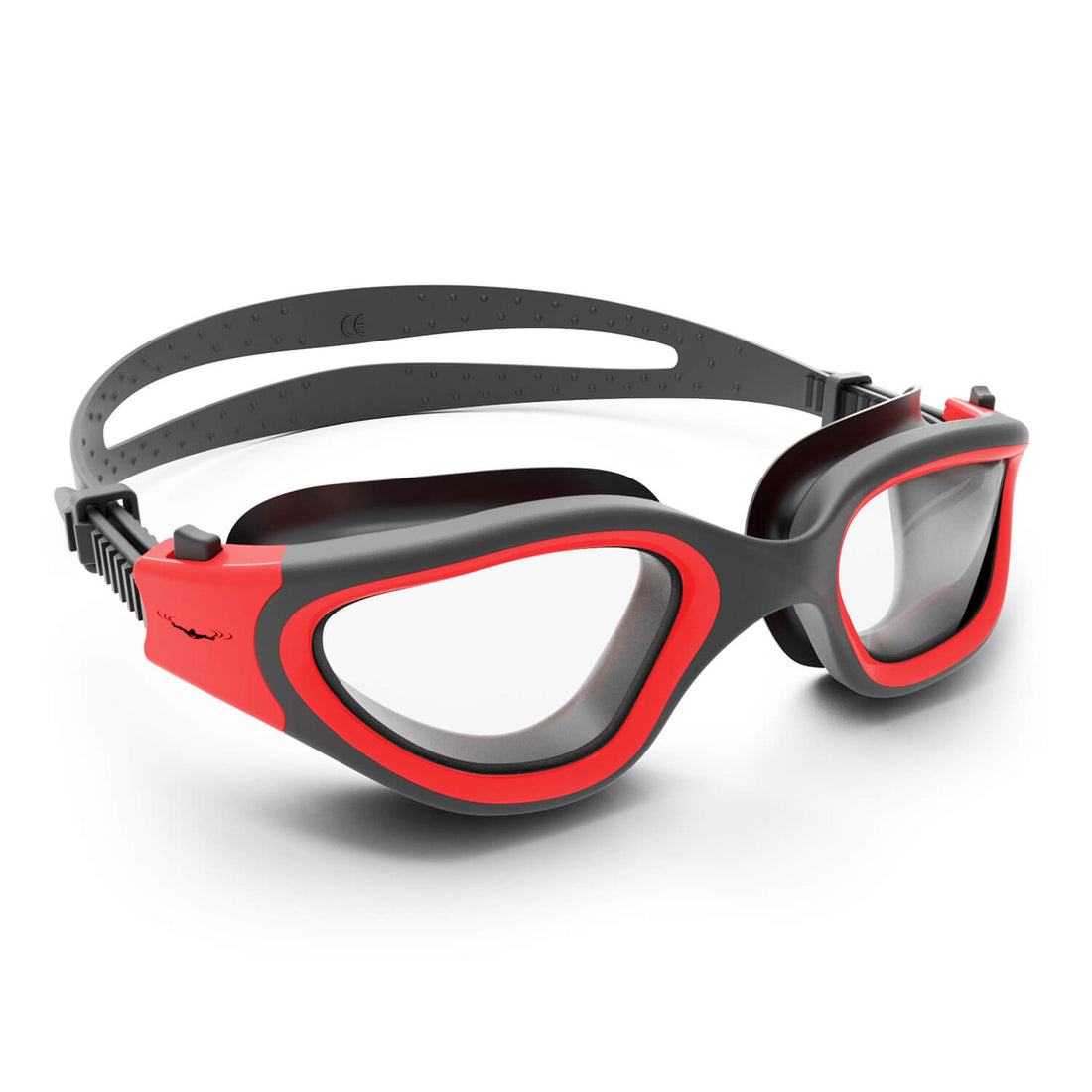
DX Wide View Swim Goggles + SHOCK Protective Case
The DX Wide View Swim Goggles are designed for optimal visibility with their clear, 180° polycarbonate lenses, making them suitable for various lighting conditions. Their advanced anti-fog technology and comfortable double-seals ensure a secure fit while preventing leaks during your swim. The included SHOCK protective case allows for safe and convenient storage, making these goggles a reliable choice for rehabilitation therapy in the pool.
View Product